When The Post Office Got IR35 Wrong. A £104 Million Mistake.
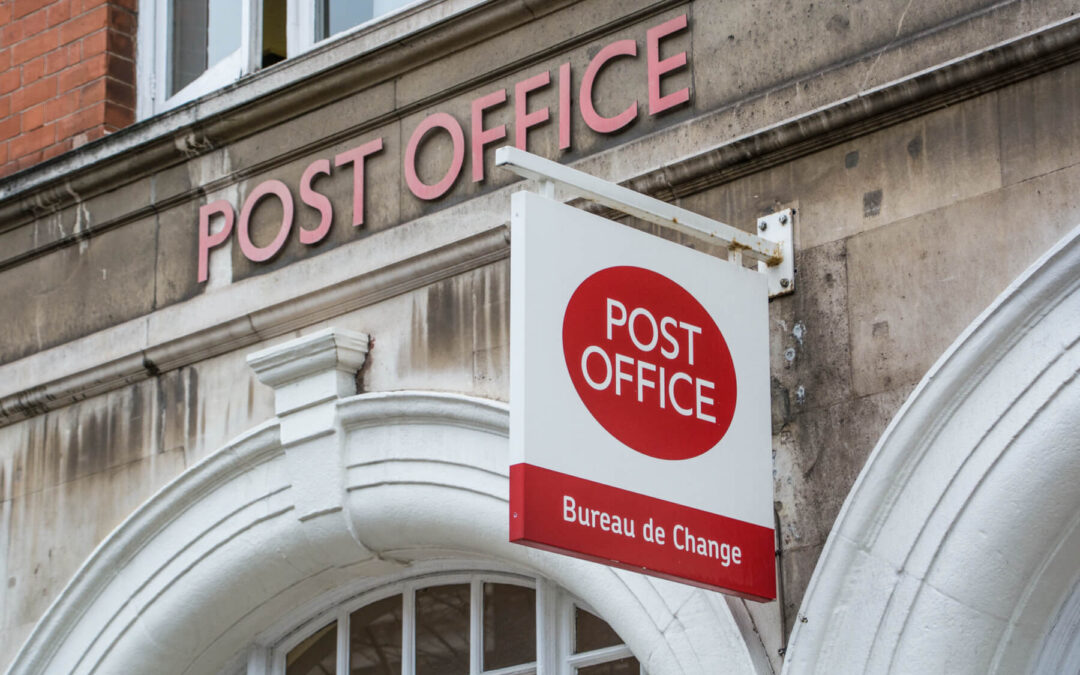
In a dramatic and costly twist to its long-running operational troubles, Post Office Ltd has now become one of the most high-profile public bodies to fall foul of the UK’s IR35 rules – the complex tax regime designed to determine whether UK limited company contractors are genuinely self-employed or essentially disguised employees. The fallout has culminated in a staggering £104,441,881 tax bill, now set to be paid by government subsidy rather than coming directly from the Post Office’s own coffers.
What Happened? The Tax Bill, IR35 and Contractors
The issue centres on historic misclassification of contractors engaged by the Post Office, particularly in roles tied to the ongoing Horizon IT scandal – a saga in which faulty accounting software led to thousands of sub postmasters being wrongly accused of theft and fraud. Investigations into the organisation’s tax compliance revealed that the Post Office had incorrectly assessed the employment status of a large number of contractors under the off-payroll working rules introduced into UK tax law to prevent so-called “disguised employment”.
These off-payroll rules, commonly called IR35, were updated in the late 2010s to make large public bodies, including government departments and state-controlled companies like the Post Office, responsible for determining the tax status of contractors they engage. If someone is inside IR35, they are treated for tax purposes like an employee, meaning PAYE income tax and national insurance contributions must be paid. If outside IR35, they can be treated as genuinely self-employed. Getting those determinations wrong can trigger hefty back-tax liabilities, as the Post Office has now discovered.
Subsidy Instead of a Financial Ruin
Facing the bill, the Post Office argued it was not in a position to fund such a large liability without risking its ongoing operations and network of thousands of branches. As a result, the Department for Business and Trade (DBT) moved to cover the amount, paying the £104m directly to HM Revenue & Customs (HMRC). The sum was approved through a government subsidy process, overseen by the Competition and Markets Authority’s Subsidy Advice Unit, which accepted that the payment was necessary to support the Post Office’s financial stability.
The subsidy itself is part of a broader support package earmarked for the Post Office, including funding for its Remediation Unit, the team handling compensation and redress related to the Horizon scandal and related operational fallout. The total subsidy package under review amounts to around £141.8m when IR35 liabilities and remediation support are combined. With no IR35 insurance to fall back on, this is cold hard cash coming out of the public purse.
How Big Is This in Context?
The £104m figure represents one of the largest known IR35 liabilities ever publicly disclosed, particularly for a single organisation. Public sector bodies have increasingly disclosed similar issues, with combined liabilities across departments exceeding £200m, but few have seen outcomes as high as this. The Post Office had previously made provisions of £72m (2023/24) and £101m (2024/25) in its annual accounts as the potential liability grew, but the final figure still came as a shock to many.
Contractors, Compliance and Consequences
The Post Office’s slip-ups under IR35 raise immediate questions about governance and oversight. IR35 compliance is notoriously complex; the legislation itself is often criticised for ambiguous definitions of employment status. But where large organisations engage hundreds of contractors, especially in technical and specialist roles, it becomes imperative to have robust systems for assessment and documentation.
For contractors themselves, the case also underscores the precarious nature of the regime. Many who worked with the Post Office during the period in question were likely classified using the Post Office’s own determinations, decisions which HMRC later overturned or contested. There are concerns that a tightening or misapplication of IR35 status assessments can discourage skilled freelancers from engaging with public sector work, potentially depleting talent pools needed for complex remediation work.
Public Accountability and Future Compliance
Critics argue the episode spotlights a broader issue in public sector tax compliance. When private companies fall foul of HMRC, they typically must absorb the cost or negotiate settlements without taxpayer bailouts. In contrast, the Post Office’s subsidy approach, necessary, according to ministers, to protect a vital public network, prompts questions about fairness and accountability. At the same time, political pressure and scrutiny are likely to intensify around how publicly owned bodies manage contractor engagements going forward.
Ultimately, the Post Office’s IR35 debacle is more than a bookkeeping mishap, it is a reminder that tax compliance cannot be an afterthought, even for organisations dealing with historic crises and operational overhaul. With the organisation already navigating the long shadow of the Horizon scandal and delivering compensation to wrongfully accused sub postmasters, this fresh legacy cost adds another chapter to a much larger story about governance, oversight and responsibility in public institutions.